
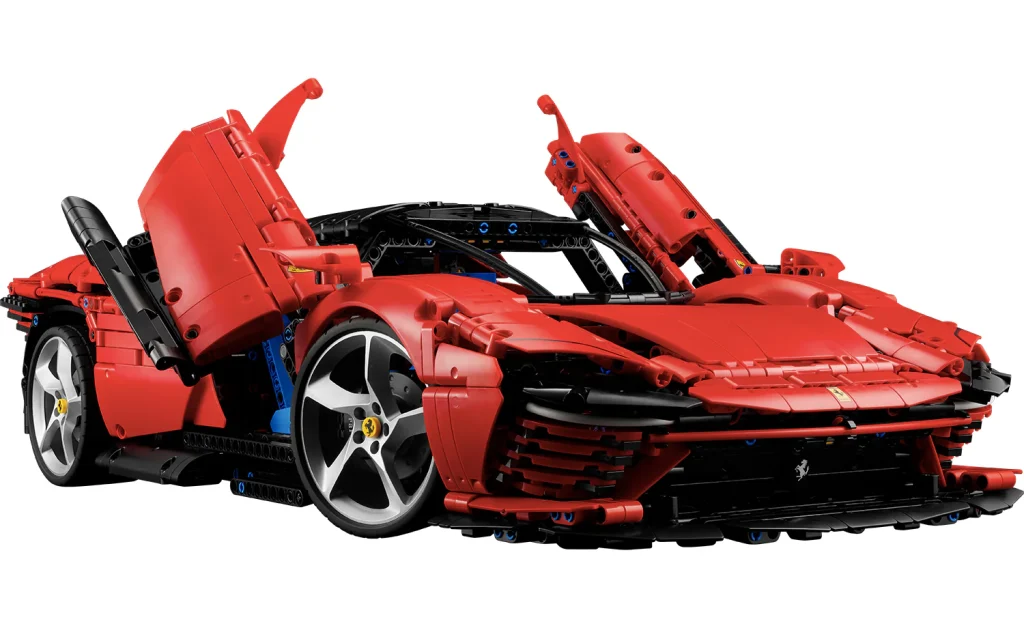
Licensing has revolutionized the LEGO® universe, especially when it comes to vehicles. As an avid LEGO® fan and automotive enthusiast, I’ve seen firsthand how licensed sets have elevated the LEGO® Cars experience—from a creative toy to a collectible art form. Over the years, LEGO® has secured partnerships with some of the world’s most iconic car manufacturers, Ferrari, Porsche, McLaren, Lamborghini, Bugatti, and even cult-favorite franchises like Fast & Furious and James Bond. These collaborations have brought authenticity, brand recognition, and incredible design innovations to LEGO® sets.
But while licensing has introduced us to some of the most breathtaking models ever released, it hasn’t been without drawbacks. In this article, I’ll explore the impact of licensing on LEGO® Cars from multiple angles: creativity, design accuracy, pricing, accessibility, and overall fan experience.
How Licensing Changed the LEGO® Garage
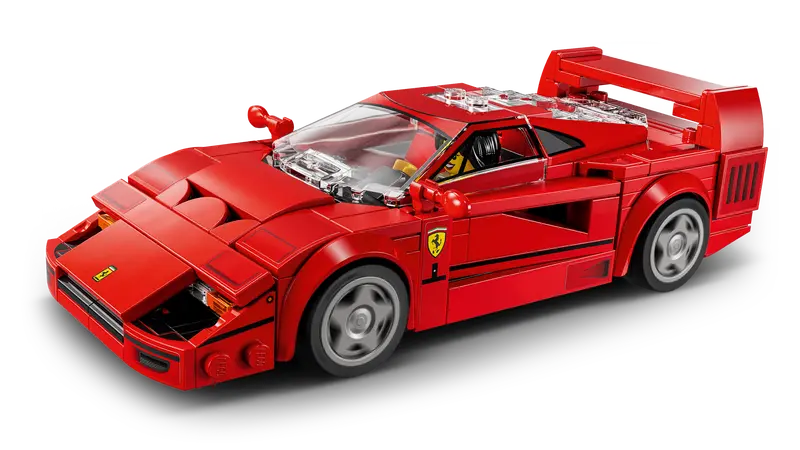
Before licensing took off, LEGO®’s car designs were mostly fictional or inspired by generic vehicles. Sets like the old Town and Racers themes were imaginative but lacked the real-world punch of recognizable brands. Things changed dramatically in the mid-2000s with LEGO® Racers and even more with the Speed Champions and Technic Supercar lines.
Suddenly, you could build a LEGO® Ferrari F40, Lamborghini Sián, or Dom’s Dodge Charger from Fast & Furious. As someone who grew up building blocky race cars from my own imagination, I still remember the awe I felt opening my first licensed Speed Champions set—seeing a tiny LEGO® rendition of the McLaren P1 staring back at me. It wasn’t just a toy anymore; it was a tribute.
The Good: Authenticity, Detail, and Collector Appeal
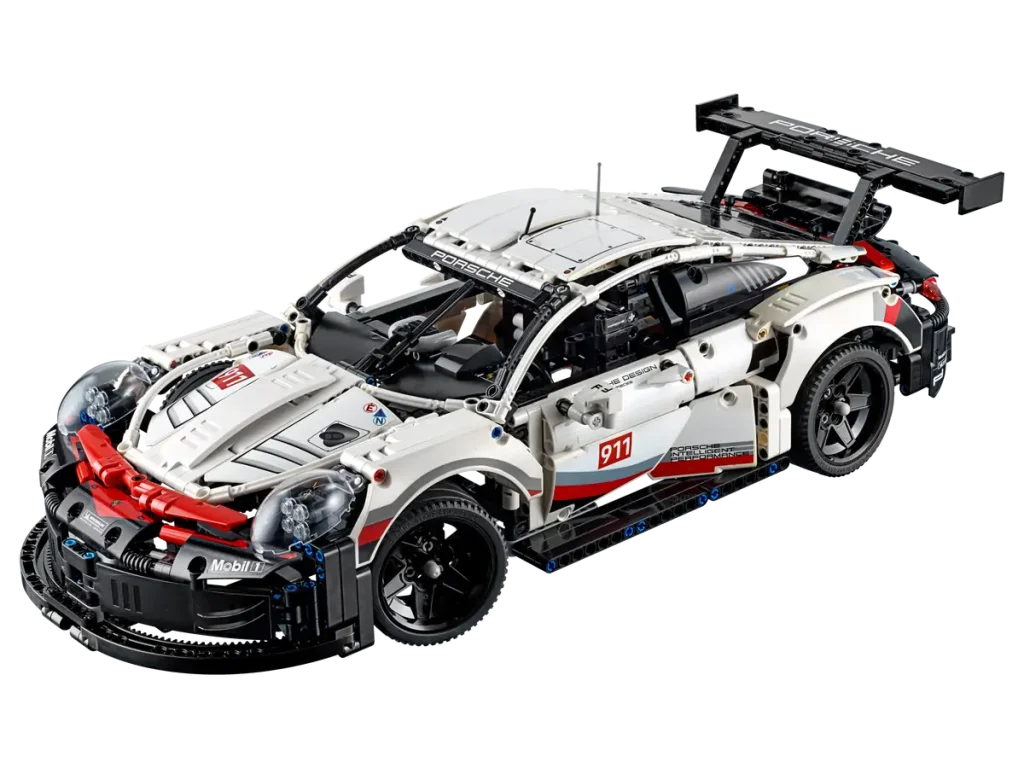
One of the biggest benefits of licensing is accuracy and realism. Licensed LEGO® cars are designed in collaboration with the actual automotive companies, which means designers get access to CAD files, blueprints, and feedback from real-world car engineers. This collaboration results in better proportions, refined aesthetics, and authentic design cues. For example, the LEGO® Technic Bugatti Chiron (set 42083) captures not just the look, but also the intricate engineering with a functioning gearbox and W16 engine.
From a collector’s point of view, licensed sets carry emotional and brand value. I proudly display my LEGO® Porsche 911 GT3 RS on a shelf, not only because it’s a challenging and beautiful build, but also because it represents a dream car I may never own in real life. LEGO®’s attention to detail makes these sets more than toys—they’re aspirational items.
The Bad: Higher Prices and Fewer Creative Risks

However, licensing doesn’t come cheap. As a fan who’s been collecting for years, I’ve noticed that licensed sets tend to carry a premium price tag—often due to royalty fees and the need for exclusive molds and prints. This puts some of the more desirable sets out of reach for younger fans or budget-conscious collectors.
Additionally, licensing sometimes restricts LEGO®’s creative freedom. While the aim is to be as true to the real car as possible, that precision can make sets feel more like replicas and less like imaginative toys. There’s a reason why older, non-licensed themes like LEGO Racers or Xalax had such wildly inventive designs—no real-world brand to appease meant anything was possible.
Speed Champions: A Middle Ground
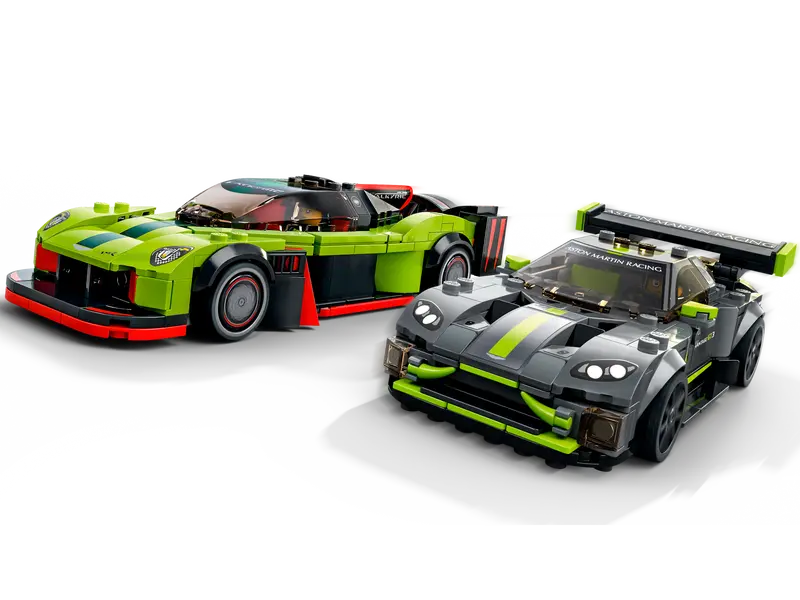
In my opinion, LEGO®’s Speed Champions line is where licensing hits the perfect sweet spot. These sets are small, affordable, and still manage to capture the spirit of iconic cars. Over the years, I’ve built everything from a 1970 Dodge Charger to a Koenigsegg Jesko—all in a roughly 8-stud-wide format that fits perfectly on a desk.
The Speed Champions line also introduces a mix of eras and styles—from vintage rally cars to the latest EVs—offering variety while keeping things accessible. Unlike the big Technic supercars, they’re quick builds and still provide that hit of brand recognition and building satisfaction.
Franchise Tie-ins: Fun or Gimmick?
Licensed tie-ins from movies and games are more polarizing. Sets like Dom’s Dodge Charger or the 007 Aston Martin DB5 tap into nostalgia and fandom, but sometimes feel like marketing products rather than true LEGO® innovations. Don’t get me wrong—I have a soft spot for those sets (especially the Fast & Furious Charger), but they often feel more like collectibles than play-friendly LEGO® experiences.
Displayability vs. Playability

Licensing has undoubtedly pushed LEGO® Cars more into the realm of display pieces. Most Technic supercars or Icons sets are complex, with advanced functions and fragile builds—great for adults, not so much for play. Kids who just want to race cars down a hallway are better off with City or Creator sets.
That being said, some licensed models strike a good balance. The Speed Champions line, again, offers both display value and sturdy construction for rougher handling. And the Technic Ford Raptor, for example, is surprisingly durable and fun to roll around—even for adult hands.
Personal Experience: What Licensing Means to Me
I remember visiting a LEGO® Store shortly after the Technic Lamborghini Sián was released. I stared at the box for ages, amazed by the vivid green and the hypercar curves captured in LEGO® form. I couldn’t afford it at the time, but it sparked something in me—a feeling of wonder and connection between my love of cars and building.
A year later, I saved up and bought it. The build was intense, meditative even. And once completed, it wasn’t just a model—it was a statement. That’s the impact licensing can have: turning plastic bricks into a personal dream car, an engineering lesson, and a conversation piece all in one.
Conclusion
Licensing has brought both beauty and complexity to LEGO® Cars. It’s elevated the brand, introduced stunning design innovations, and connected fans to real-world icons in a tangible, buildable way. But it has also nudged LEGO® toward more expensive, less imaginative territory at times.
As a fan, I believe the key is balance—celebrating the realism and prestige that licensing brings, while still leaving room for creativity and affordability. Whether it’s a fully motorized Bugatti or a 12-dollar McLaren Elva, LEGO®’s licensed cars continue to inspire—and that, to me, is the ultimate win.